

writing to where we've been
"Places are what remain, are what you can possess, are what is immortal. They become the tangible landscape of memory..." —Rebecca Solnit

Upcoming Workshops:
January 25. Writing with Vulnerability and Creative Courage (via WritingWorkshops.com) // 12 - 3 pm et
January 29. Practice Session #25: Writing Through Winter // 7 - 8:30 pm et (free for paid subscribers and Inner Story members)
February 6. Free Monthly Writing the Layers Workshop // 7 pm et
February 8 & 15. Words That Heal: An Expressive Writing Workshop (via The Writer’s Center) // 2 - 4:30 pm et
Weekly Story Work Exercise
Our current theme is unsent letters. You can find our recent themes here. You can find all the archives here. You can purchase a copy of my book, Story Work, here.
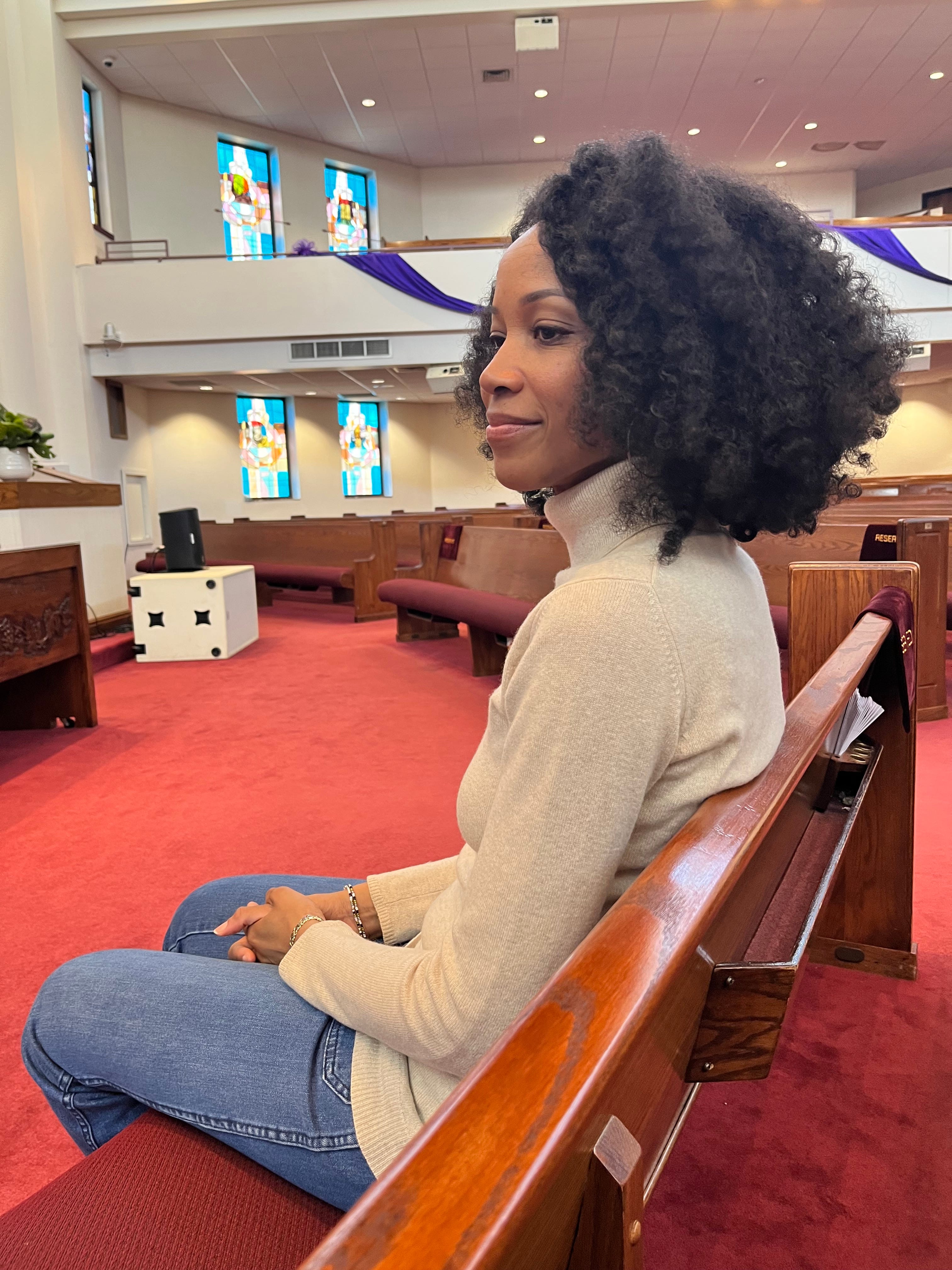
In 2022, I returned to Pittsburgh to film a few shots in my hometown for a documentary project. We went to my childhood home, a single-family, split-level house with brown shutters and a welcoming yard, hoping the current owner would let us take a few photos around the property.
She was aggressively not okay with that and threatened to call the police.
But we were able to walk the perimeter. From the street in the front and the alley in the back, I was able to wordlessly communicate with this shelter—this companion?—that I once called home.
My father was an artist. Growing up, his paintings lined the walls inside the house, and several of his sculptures lived in the landscaping outdoors, planted in the front yard and nestled among my mother’s flower beds. His pieces were definitely conversation starters when new friends came over. “What is that orange hydrant-looking thing in your front yard?” “Is that a boob in that painting?!”
Now, the sculptures are gone, and that day I stood there offended that no one asked me for permission to remove them.
There were still traces of his handiwork, though. The deck he built along the left side of the house remained, furnished with two chairs and a small table, looking lived in, used, appreciated. But from what I could see, the garden plots, the swing, the picnic table, the benches—all things he built with his two hands—were gone.
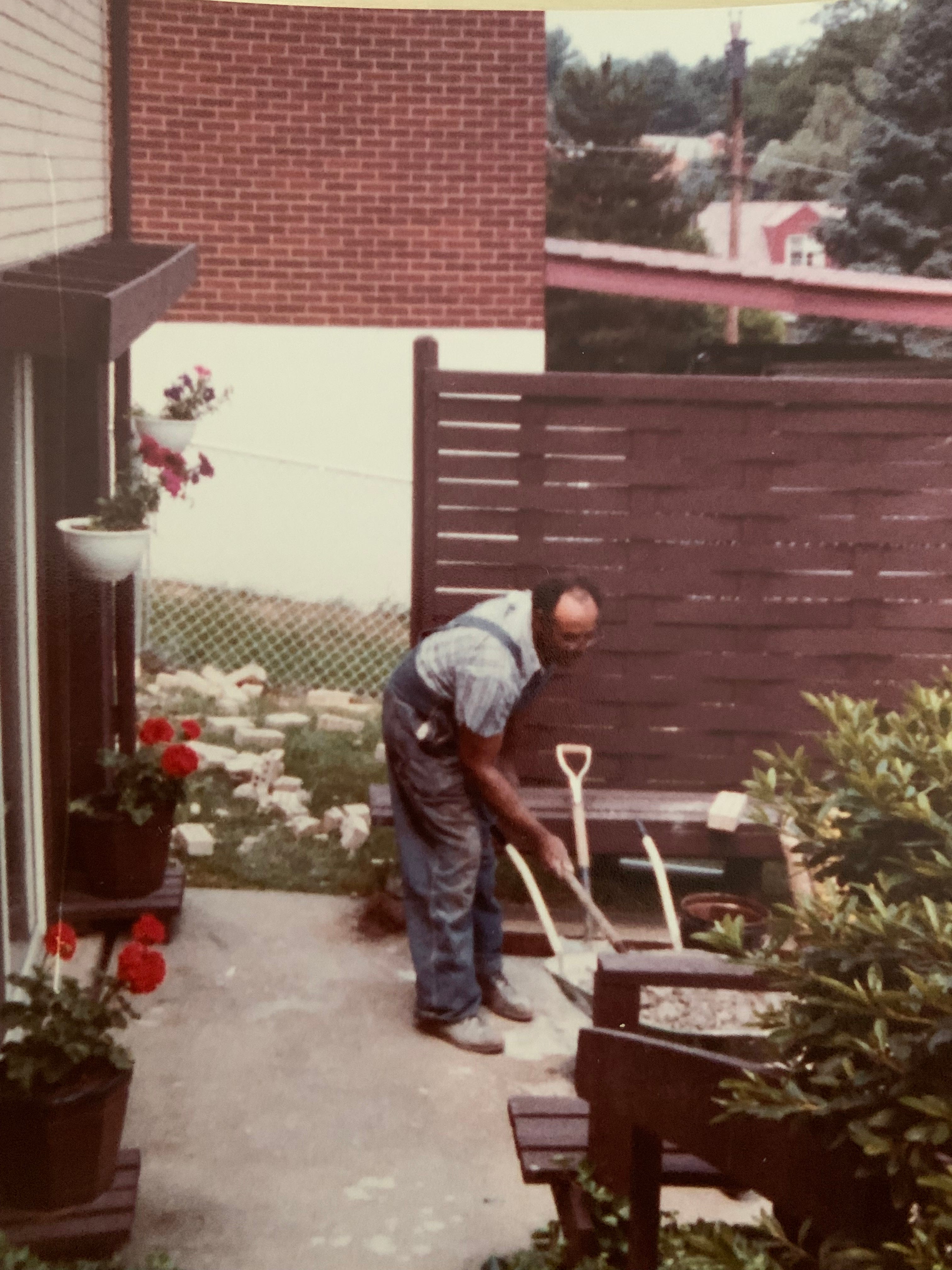
Taking it all in, I felt a queasy mix of anger, sadness, and loss. Feelings I put away for later, because I was with my best friend and the documentary crew, and I didn’t want to fall apart.
I wondered: Why did it bother me so much that no one consulted me about these changes? The house looked sadder than it used to. Rocks were my mom’s bushes and plants used to be. Did the house feel violated when the art was removed and the surrounding yard was left to dry up with no art and no flowers?
Or was I just projecting my own sense of being erased onto this piece of land and pile of bricks that were fundamentally neutral, indifferent, and unmoved by my loss?
